philosophy of education
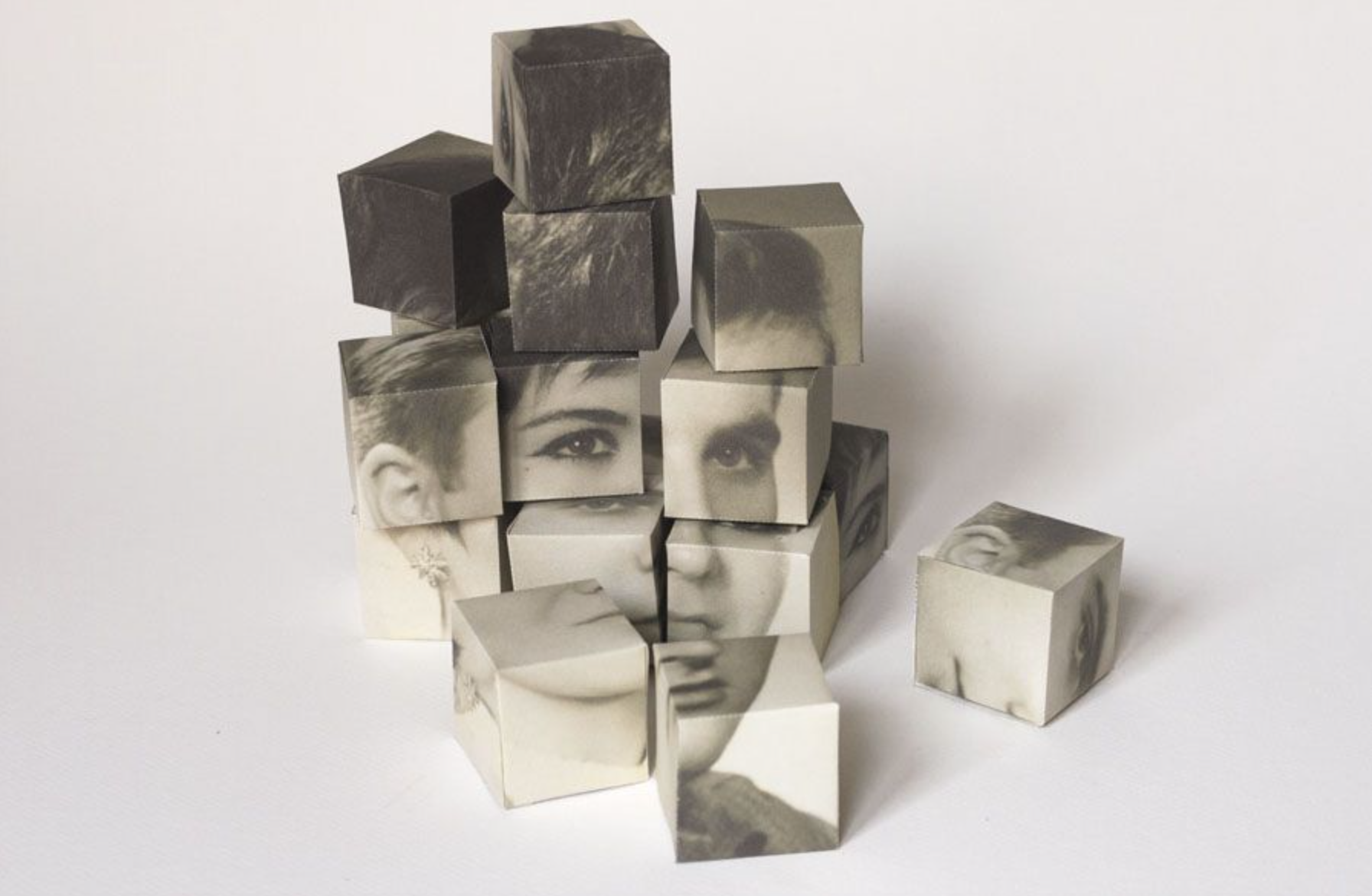
// STUDENTS Are HUMAN BEINGS
Creating Artwork is an introspective process and can be a way for my students to explore their identity and place in the world. My goal is that students will find the classroom to be a safe environment for them to be able to express themselves. Adolescence is a time for understanding one's own identity. The art room is a place for every type of student no matter how they self-identify, what friend group they are in, who they sit with at lunch, or whether they have a straight A or C- grade point average. The wonderful thing about humanity is our variation. I would like to celebrate the individualism of my students and will encourage them to share their viewpoints with others in class. I plan to create an inclusive community of students where students of color and students that identify as part of the LGBTQ community never feel marginalized. There have been so many artists that create work as activists, and I plan to introduce my students to a wide variety of artists whose work challenges the status quo and celebrates disenfranchised groups. I hope to foster a sense of pride in all my students, and I feel that introducing a variety of artists of different communities will allow my students to see a reflection of themselves in prominent works of art and to also gain perspective about the experiences of groups other than the ones they belong to.
// Social emotional learning
There are many ways in which an art classroom is a cooperative environment. As a teacher it will be my job to facilitate discussions between students. Part of the practice of Art as a medium for communication is to engage your viewer. A classroom critique is an opportunity for students to observe how their intention aligns with how their peers perceive their work. This feedback allows an artist to self-reflect and to refine their work so that the viewer is better able to interpret what the initial intention was. An artist needs constant feedback and I look forward to creating opportunities for my students to learn from and encourage one another. For a substantial portion of the day my students will be restricted to sitting and either writing in a notebook or typing on a Chromebook. I look forward to allowing the students in my studio classes the ability to manipulate materials and to be tactile. Actively making art has been proven to assist in emotional regulation. It allows the mind to focus on the task at hand and can help form a sense of calm. To further reinforce a calming atmosphere, I intend to play an assortment of background music while my students are working independently. When I listen to Yo Yo Ma play Bach it gives me an overall feeling of ease that I want my students to be able to tap into. I want my class to be a respite for my students; a place for them to feel comfortable, decompress from other stressors in their lives, and breathe.
// ART HISTORICAL PERSPECTIVE
Humans have been creating art as a form of expression since the Paleolithic period. Homo sapiens in the old stone age communicated through cave paintings, like those left behind in the Lascaux Caves in France, long before the written word was invented. Art creation is the original form of recorded communication, and an understanding of Art history is paramount. In order for a young artist to understand technique, design principles, as well as their part in an ongoing artistic conversation, we must learn to examine art. We do not create work in a vacuum and must respond to what has been created before us. It is important to study prominent works from the past to further our conversation and to understand the historical context in which other artists created. I intend to give my students a background in Art History as a way for them to understand their place in the postmodern era in which we currently find ourselves. My desire for my students is that they are eventually able to understand process; practice multiple forms of technique and can create work with intention to communicate their ideas effectively.